di Emiliano Tognetti
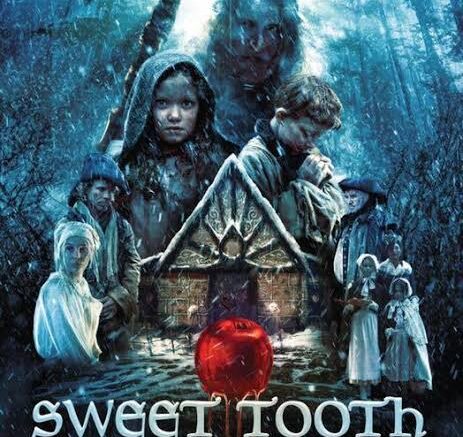
LUCCA – Cambiare punto di vista può cambiare anche il modo in cui guardiamo una persona. È uno dei fili conduttori di Sweet Tooth, cortometraggio dell’attrice e filmmaker australiana Shannon, e anche il punto di partenza dell’intervista che abbiamo realizzato venerdì 2 ottobre al Lucca Film Festival, nell’ambito di A.C.D. – Art, Culture & Disability Against Stigma.
Con Shannon il punto di incontro è apparso quasi naturale. Sweet Tooth parte infatti da una domanda molto semplice: che cosa succede se una fiaba che crediamo di conoscere viene raccontata guardando anche dalla parte del “cattivo”?
Non si tratta di cancellare la distinzione tra bene e male, ma di introdurre qualcosa che le categorie troppo nette spesso lasciano fuori: la complessità di una persona e della sua storia.
«Siamo plasmati dalle storie che leggiamo, dalle storie che raccontiamo su noi stessi e da quelle che gli altri raccontano su di noi», spiega Shannon durante l’intervista. E aggiunge un pensiero che intercetta direttamente il cuore di A.C.D.: «Indipendentemente da quello che gli altri possono dire di te, sei tu a raccontare la tua storia. Diventi il personaggio che sei tu a definire, non quello che qualcun altro dice che tu sia».
Da qui la conversazione si allarga al potere del cinema, alla possibilità di tornare a guardare con gli occhi di un bambino, all’esperienza dell’attore che entra nella prospettiva di un’altra persona e alla capacità delle storie di rendere meno semplicistica la nostra visione degli altri.
Fino a un principio che attraversa tutta l’intervista: quando a una figura apparentemente lontana diamo un nome, una storia, sogni, speranze, «un cuore e un’anima», improvvisamente niente è più soltanto bianco o nero.
L’intervista
Emiliano: Shannon, come sta andando la tua carriera in questo momento? A quali progetti stai lavorando?
Shannon: Sono australiana, ma in realtà sono cresciuta in Svizzera, quindi sono tornata a vivere lì. In questo momento sto lavorando insieme a mio marito a un progetto televisivo in Svizzera, ma anche a un lungometraggio in Australia. Insomma, è tutto molto internazionale in questo periodo.
Emiliano: In Sweet Tooth hai fatto qualcosa di piuttosto insolito: hai raccontato una fiaba dal punto di vista del cattivo. Come è nata questa idea?
Shannon: Penso che tutti conosciamo molto bene queste fiabe e le abbiamo sentite raccontare così tante volte che, a un certo punto, viene da chiedersi: e se fossero diverse? E gli altri personaggi? E se non fossero semplicemente buoni o cattivi? E se avessero una famiglia, una storia, e fossero persone complesse? E se fossero reali?
È questa la domanda da cui sono partita e l’ho trovata affascinante. Volevo capire come sarebbe cambiato il nostro modo di vedere la storia se la storia fosse rimasta la stessa, ma noi ne avessimo conosciuto il contesto. Come cambia il nostro modo di vedere un personaggio che pensiamo di conoscere, ma che forse in realtà non conosciamo?
Emiliano: Una delle cose che mi ha colpito del cortometraggio è la sua atmosfera, il modo in cui riusciamo davvero a entrare nel mondo dei personaggi. Quanto è stato importante per te creare questa atmosfera?
Shannon: Penso che fosse fondamentale, e anche un po’ folle, perché stavamo girando in Australia in estate e cercavamo di ricreare l’inverno in Germania.
Abbiamo quindi dedicato moltissimo tempo a capire come ottenere quella consistenza, quella luce, quella sensazione di freddo e di oscurità, ma allo stesso tempo qualcosa di magico. Credo che, proprio perché era così difficile, abbiamo dovuto concentrarci davvero molto su questo aspetto. Quindi sono molto contenta che abbia funzionato.
Emiliano: Per tutto il cortometraggio, dall’inizio alla fine, sentiamo le galline chiocciare in sottofondo, quasi come se accompagnassero la storia. Era un effetto voluto?
Shannon: Le galline! Sì, sì, è vero. Credo che a un certo punto si comincino a vedere questo tipo di metafore. Che cosa associamo alle streghe? Ci sono tutte quelle caratteristiche che colleghiamo alle streghe, come la cecità e i denti aguzzi, e poi ci sono le galline, creature così comuni e familiari, ma anche così fragili quando sono piccole. C’è questa contrapposizione tra un mondo duro e rabbioso e una creatura piccola e delicatissima.
Emiliano: Allora avevo colto bene.
Shannon: Mhm. Oh, be’, sono molto contenta di sentirlo. E poi lavorare con un pulcino è stato bellissimo e i bambini lo adoravano. Quindi quello è stato il mio trucco.
Emiliano: Perché pensi che sia importante guardare una fiaba da un punto di vista diverso, anche dalla prospettiva dei personaggi che solitamente consideriamo i cattivi?
Shannon: Penso che sia fondamentale, perché siamo plasmati dalle storie che leggiamo, dalle storie che raccontiamo su noi stessi e da quelle che gli altri raccontano su di noi.
Per me era importante comprendere che, indipendentemente da quello che gli altri possono dire di te, sei tu a raccontare la tua storia. Diventi il personaggio che sei tu a definire, non quello che qualcun altro dice che tu sia.
E anche se diventi una certa cosa, esiste sempre la possibilità di cambiare. Non siamo semplicemente una cosa sola, buoni oppure cattivi. Ognuno di noi è tante cose, e ciò che siamo dipende anche da quello che cerchiamo dentro di noi per definire noi stessi.
Emiliano: Il cinema può aiutarci a guardare le vecchie fiabe in modo nuovo e a scoprire qualcosa che non riuscivamo a vedere quando eravamo bambini?
Shannon: Lo spero. Lo spero davvero. E spero anche che, da adulti, ci permettiamo di tornare in quel mondo delle fiabe così giocoso, perché questo è un film serio su quella che potrebbe essere considerata una storia poco seria.
È una storia per bambini, ma da qualche parte, nel profondo, siamo ancora bambini anche noi. E penso che questo sia molto importante.
Il cinema è un mezzo straordinario proprio perché ci permette di tornare bambini. Entriamo in una sala buia, la nostra immaginazione si apre, si apre il nostro cuore e siamo disposti a giocare e a lasciarci trasportare in un’avventura.
Ci piace andare a vedere i film Marvel. Ci piacciono i film di supereroi. Ci piace essere trasportati in un altro mondo. E penso che, da questo punto di vista, il cinema sia davvero molto potente.
Emiliano: Tra tutti i personaggi che hai interpretato, ce n’è uno che ti ha aiutato in modo particolare a metterti nei panni di qualcun altro e a comprenderlo meglio?
Shannon: Vorrei dire che la risposta è: tutti. Perché questa è la cosa bellissima della ricerca, dell’immergersi davvero nella prospettiva di un’altra persona.
A volte quella prospettiva sembra vicina a ciò che sei, altre volte richiede uno sforzo molto più grande. Ma ogni volta hai la possibilità di guardare il mondo con occhi nuovi e ogni volta ne esci con un’esperienza nuova.
Anche lavorare con altre persone fa parte di tutto questo. Come attrice o come regista, fai esperienza della storia di qualcun altro. C’è la collaborazione, ci sono le persone con cui lavori, e penso che loro mi abbiano trasformata tanto quanto la finzione o il personaggio stesso. Sono proprio le esperienze reali vissute con queste persone.
È per questo che amo fare cinema in ogni sua forma: perché sono persone straordinarie a fare i film.
Emiliano: C’è un personaggio o un film che ha cambiato il tuo modo di guardare gli altri o ti ha aiutato a comprendere un punto di vista diverso? C’è un film che hai visto nella tua vita e che ha cambiato la tua prospettiva?
Shannon: Penso che probabilmente ce ne siano molti. Di recente ho visto Niente di nuovo sul fronte occidentale. Mi ha offerto una prospettiva così diversa, per esempio, sulla Prima guerra mondiale. Era uno sguardo profondamente umano proveniente dall’altra parte, dalla parte del nemico che normalmente non vediamo: il fronte vissuto dai soldati tedeschi e da quei giovani ragazzi mandati in guerra.
E credo che, in fondo, sia semplicemente una versione diversa di ciò che accade in Sweet Tooth: prendi un archetipo, come può essere quello del soldato tedesco, e attraverso i dettagli cambi completamente il modo in cui lo guardi. Gli dai un nome, gli dai una vita, gli dai sogni, speranze, un cuore e un’anima.
E improvvisamente niente è più bianco o nero. Nessuna storia è semplice. Ovunque si guardi si possono trovare speranza e dolore.
Quindi, in fondo, è la stessa cosa. Detto così sembra terribilmente pretenzioso! Non direi mai che il mio film sia allo stesso livello: quello era un capolavoro. Ma quando l’ho visto mi ha profondamente colpita.
Emiliano: Com’è lavorare oggi nell’industria cinematografica australiana? Quali opportunità offre a una giovane attrice e filmmaker?
Shannon: È un posto straordinario in cui fare cinema e raccontare storie. L’Australia ha una storia culturale ricchissima e offre un sostegno enorme.
Il mio film è un progetto di diploma dell’Australian Film and Television School e sono incredibilmente grata per il sostegno che ho ricevuto. È stata una collaborazione enorme. Avevamo bisogno dell’aiuto di tantissime persone e realtà diverse: nelle zone rurali, nelle città, negli studi e durante la post-produzione. E in ogni fase del percorso mi sono sentita sostenuta.
Quindi mi sento estremamente fortunata. Avevo lasciato l’Australia prima della pandemia, ma, come dicevo prima, adesso sono tornata a lavorare anche lì, anche perché è lì che si trovano i miei amici.
Emiliano: Pensi che il cinema australiano abbia una propria identità, un modo particolare di raccontare le storie che lo distingue da altre cinematografie, come quella americana, Hollywood o Bollywood? Esiste un’identità specifica del cinema australiano?
Shannon: Be’, penso che l’Australia sia un Paese molto giovane da una prospettiva occidentale e, allo stesso tempo, ospiti la civiltà più antica della Terra.
Anzi, forse dovrei riformularlo, perché è difficile esprimerlo nel modo giusto.
Lavorare in Australia richiede, credo, una profonda curiosità verso moltissimi modi diversi di raccontare storie, di vedere il mondo e verso culture differenti. È un luogo incredibilmente vario e credo che proprio questa diversità sia al centro del cinema australiano: trovi una gamma ricchissima e diversificata di storie.
Non c’è qualcosa che renda tutti i film australiani uguali. Ci sono straordinari film di genere, c’è un’ottima televisione commerciale prodotta in Australia, ci sono magnifici film d’autore… e poi c’è Baz Luhrmann. C’è tutto.
E penso che sia proprio questo a renderlo così entusiasmante. Credo che sia anche qualcosa che definisce profondamente l’Australia: è tante cose diverse, un luogo in cui convergono moltissimi punti di vista e, si spera, tutto questo emerge anche nel cinema.
Io certamente lo vivo in questo modo e mi sento davvero privilegiata a farne parte.
Emiliano: Ultima domanda. Se oggi potessi scegliere una storia da raccontare o un personaggio da interpretare per aiutare il pubblico a vedere il mondo da un punto di vista diverso, che cosa sceglieresti?
Shannon: È davvero una bellissima domanda. Mi appassionano molto le storie delle donne, le storie delle ragazze. Sweet Tooth ne è ovviamente un esempio: indagare il modo in cui noi vediamo una persona e il modo, magari diverso, in cui quella persona vede se stessa.
Il film a cui sto lavorando in questo momento parla di una persona realmente esistita, che ha avuto una vita straordinaria e ha viaggiato attraverso l’Australia negli anni Settanta, Ottanta e Novanta, trovandosi presente in moltissimi momenti culturali importanti.
Penso che poter guardare attraverso gli occhi di praticamente chiunque offra sempre la stessa opportunità, perché ciascuno vede le cose in maniera diversa e ciascuno possiede una prospettiva alla quale magari non avevi mai pensato.
È questo che amo anche quando guardo dei cortometraggi, come quelli che abbiamo visto ieri. Hai la possibilità di immergerti, anche solo per poco, in questi mondi.
Quindi non è una gran risposta alla tua domanda! Ma direi: qualsiasi personaggio. Perché, se hai il cuore aperto e molta curiosità, non ci vuole molto perché si riveli qualcosa di davvero straordinario.
Shannon and Sweet Tooth: Seeing the World Through Someone Else’s Eyes
At the Lucca Film Festival, our conversation with the Australian actress and filmmaker became a journey through fairy tales, cinema and empathy. An interview for A.C.D. – Art, Culture & Disability Against Stigma.
LUCCA – Changing our point of view can also change the way we see another person. This is one of the ideas at the heart of Sweet Tooth, a short film by Australian actress and filmmaker Shannon, and it became the starting point for our interview, recorded on Friday, October 2 at the Lucca Film Festival as part of A.C.D. – Art, Culture & Disability Against Stigma.
With Shannon, that connection emerged naturally. Sweet Tooth begins with a deceptively simple question: what happens when a fairy tale we think we know is also seen from the point of view of the “villain”?
It is not about erasing the distinction between good and evil. It is about introducing something that rigid categories often leave out: the complexity of a person and their story.
“I think we are made by the stories that we read, and we are made by the stories that we tell about ourselves and the stories that other people tell about us,” Shannon tells us. Then comes a thought that speaks directly to the heart of A.C.D.: “No matter what anyone says about you, you tell your own story. You become the character that you define, not what somebody else says you are.”
From there, our conversation moves through the power of cinema, our ability to rediscover the imagination of childhood, the actor’s experience of entering someone else’s perspective, and the ability of stories to challenge simplistic ways of seeing other people.
It ultimately arrives at an idea that runs throughout the interview: when we give an apparently distant figure a name, a life, dreams, hopes, “a heart and a soul”, suddenly nothing is black and white anymore.
The Interview
Emiliano: Shannon, how is your career going at the moment? What projects are you working on?
Shannon: I’m Australian, but I actually grew up in Switzerland, so I’ve moved back there and I’m living there at the moment. I’m working with my husband on a television project in Switzerland, but also on a feature film in Australia. So it’s all very international at the moment.
Emiliano: In Sweet Tooth, you did something quite unusual: you told a fairy tale from the villain’s point of view. How did this idea come about?
Shannon: I think everybody is so familiar with these fairy-tale stories, and we’ve heard them so many times. Sometimes you just think: what if they were different? What about the other characters? What if they weren’t simply good or bad? What if they had a family and a story and were complicated people? What if they were real?
That’s the question I started with, and I thought it was fascinating. I wanted to see how it would change the way we see the story if the story itself stays the same, but we know the context. How do we feel about a character we think we know, but maybe we don’t?
Emiliano: One thing that struck me about the short film is its atmosphere, the way we really enter the characters’ world. How important was it for you to create this atmosphere?
Shannon: I think it was essential, and also slightly mad, because I was filming in Australia in the summer and we were trying to create winter in Germany.
So we put a lot of time into figuring out how we could create that texture, that light, that sense of cold and darkness, but also something magical. I suppose that because it was so difficult, we really had to concentrate on it. So I’m very glad it worked.
Emiliano: Throughout the short film, from beginning to end, we can hear the chickens clucking in the background, almost as if they accompany the story. Was that intentional?
Shannon: The chickens! Yes, yes, it’s true. I guess you start to see these kinds of metaphors. What is it about witches? The things that we associate with witches, like blindness and sharp teeth, and then the chickens being this everyday creature that we know, so fragile when they’re small. There’s this juxtaposition between this hard, angry world and this very delicate little creature.
Emiliano: So I got it right.
Shannon: Mhm. Oh, well, I’m very glad to hear it. Also, a little chicken was a wonderful thing to work with, and the children loved it. So that was my trick.
Emiliano: Why do you think it’s important to look at a fairy tale from a different point of view, even from the perspective of characters we usually see as villains?
Shannon: I think it’s essential because we are made by the stories that we read, by the stories we tell about ourselves and by the stories that other people tell about us.
For me, it was important to understand that, no matter what anyone says about you, you tell your own story. You become the character that you define, not what somebody else says you are.
And even if you become one thing, there is always the possibility of change. You are not simply one thing—good or bad. Everyone is everything, and it depends on what we search for inside ourselves to define who we are.
Emiliano: Can cinema help us look at old fairy tales in a new way and discover something we didn’t see when we were children?
Shannon: I hope so. I really hope so. And I also hope that, as adults, we allow ourselves to go back into that very playful fairy-tale world, because it’s a serious film about what could be considered an unserious story.
It’s a children’s story, but somewhere deep inside us, we are still children too. So I think that’s very important.
Cinema is an amazing medium because we become children again. We go into a dark room, our imagination opens up, our hearts open up, and we’re willing to play and be taken away on this adventure.
We love going to Marvel films. We love going to superhero films. We love being swept away into another world. And I think cinema is very powerful in that way.
Emiliano: Of all the characters you’ve played, is there one that particularly helped you put yourself in someone else’s shoes and understand them better?
Shannon: I want to say the answer is every character, because that’s the beautiful experience of research, of really diving into somebody else’s perspective.
Sometimes it feels close to who you are, and sometimes it feels like a big stretch. But every time, you get to look at the world through new eyes, and every time you come away with a new experience.
Working with other people is also part of that. As an actor or as a director, you experience someone else’s story. It’s about the collaboration and the people you work with, and I think they have transformed me as much as the fiction or the part itself. It’s actually the real experiences with these people.
That’s why I love filmmaking in every capacity, because amazing people make films.
Emiliano: Is there a character or a film that changed the way you look at other people or helped you understand another point of view? Is there a film you’ve seen in your life that changed your perspective?
Shannon: I think there are probably many. Very recently, I watched All Quiet on the Western Front. It offered such a different perspective on, say, World War One. It was such a human perspective from the other side, the enemy side that we usually don’t see—the front line of the German soldiers and those young boys who were sent to war.
I suppose that’s really just a different version of Sweet Tooth, where you take an archetype like a German soldier and completely change the way you see them through the details. You give them a name, you give them a life, you give them dreams, hopes, a heart and a soul.
And suddenly nothing is black and white. Nothing is a simple story. There’s hope and heartbreak to be found wherever you look.
So it’s the same thing, really. That sounds very pretentious! I would never say my film is equal to that—it was a masterpiece—but it moved me greatly when I watched it.
Emiliano: What is it like to work in the Australian film industry today? What opportunities does it offer to a young actress and filmmaker?
Shannon: It’s an extraordinary place to make films and to tell stories. Australia has such a rich cultural history, and it’s extremely supportive.
My film is a graduation film from the Australian Film and Television School, and I’m so incredibly thankful for their support. It was a huge collaboration. We needed so much help from locations all over—in rural areas, in cities, in studios and in post-production—and at every step of the way I felt supported.
So I feel extremely lucky. I moved away from Australia before the pandemic, but as I mentioned earlier, I’m now working in Australia again, also because that’s where my friends are.
Emiliano: Do you think Australian cinema has its own identity, a particular way of telling stories that makes it different from other cinemas, such as American cinema, Hollywood or Bollywood? Is there a specific identity to Australian cinema?
Shannon: Well, I think Australia is a very young country from a Western perspective, and it is the oldest civilization on Earth.
Actually, I might rephrase that, because it’s tricky to articulate.
Working in Australia requires, I think, a deep curiosity about all sorts of ways of storytelling, ways of seeing the world and different cultures. It’s an incredibly diverse place, and that is, I think, at the very heart of Australian cinema: you get such a rich and diverse range of stories.
There’s nothing the same about Australian films. There are incredible genre films, there’s great commercial television that comes out of Australia, there are amazing arthouse films, and then there’s Baz Luhrmann. It’s everything.
And I think that’s really exciting. I think that hugely defines what Australia is. It’s so many different things, a place where so many points of view come together, and hopefully that comes out in the cinema.
I certainly experience it that way and feel very privileged to be a part of it.
Emiliano: Last question. If you could choose a story to tell or a character to play today to help audiences see the world from a different point of view, what would you choose?
Shannon: That’s such a great question. I’m very passionate about women’s stories, about girls. Sweet Tooth is obviously an example of that—of investigating the way we see a person and how they may see themselves differently.
The film I’m working on at the moment is about a real person who lived an extraordinary life and travelled through Australia in the ’70s, ’80s and ’90s, and was present at so many important cultural moments.
I think being able to look through just about anyone’s eyes offers the same opportunity, because everyone sees things differently, and everyone has a perspective that you’ve never thought about before.
That’s what I love about seeing even short films, like the ones we saw yesterday. You just get to dive into these worlds.
So that’s not a very good answer to your question! But I would say any character, because if you have an open heart and a lot of curiosity, it doesn’t take long for something really amazing to be revealed.
Be the first to comment on "Shannon Ashlyn e Sweet Tooth: guardare il mondo attraverso gli occhi dell’altro"